
 Found on Marshall Goldman Maryland
 Found on Hagerty60 photos
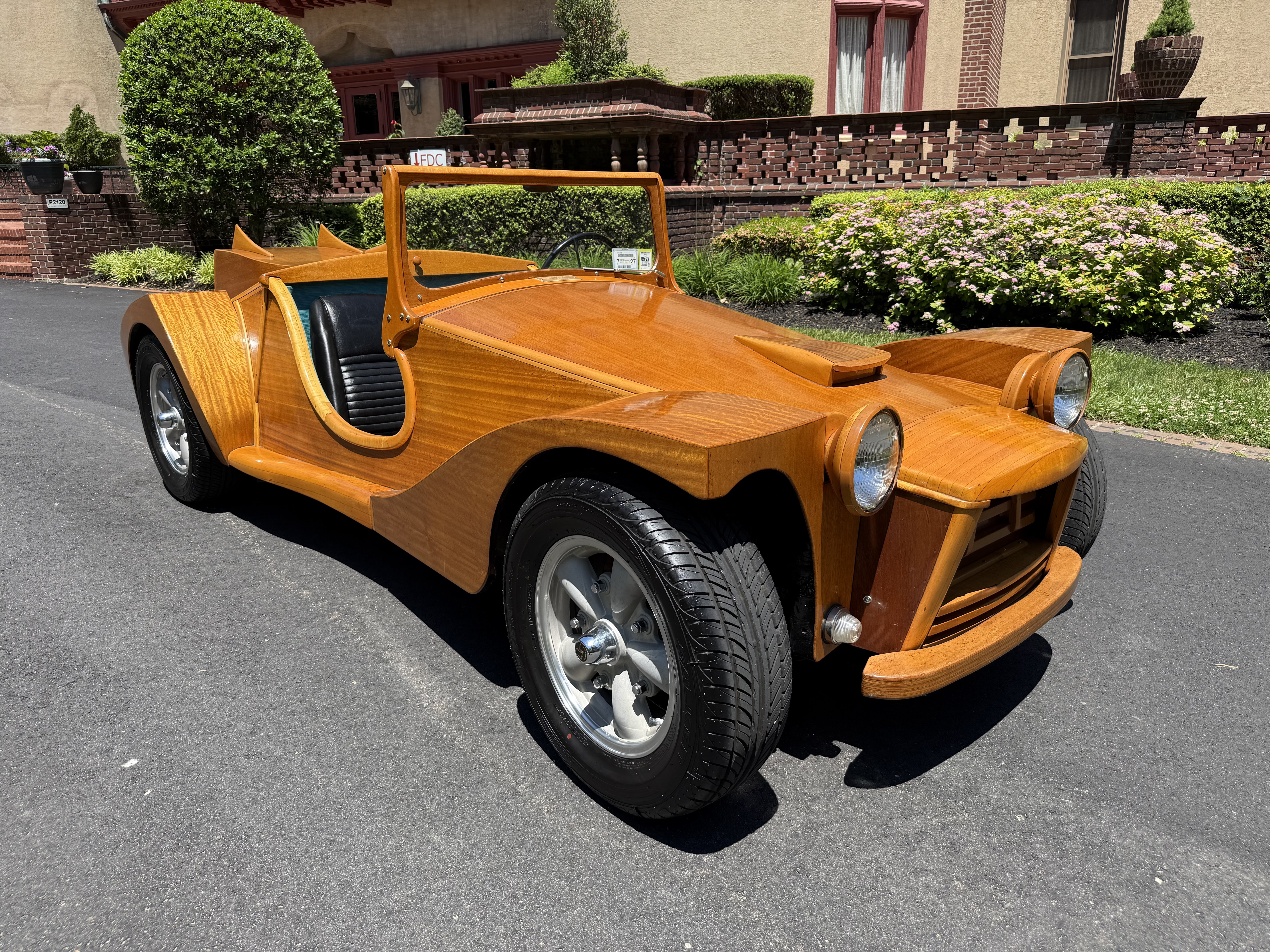
1952 Volkswagen Custom
1.5L Flat-Four · Manual · Mahogany over black
Sold for$12,500Ended Aug 6SoldListed 2 days ago
Mileage
66,600 mi
Location
Huntington, NY
Specifications
- Year
- 1952
- Make / Model
- Volkswagen Custom
- Engine
- 1.5L Flat-Four
- Drivetrain
- RWD
- Exterior color
- Mahogany
- Interior color
- Black
Description
OFFERED WITHOUT RESERVE
The Volkswagen Beetle's greatest legacy may not just be its factory specifications but the extraordinary aftermarket culture it spawned. Because the Beetle used a simple, air-cooled rear engine on a sturdy platform chassis, it became a blank canvas for builders worldwide. The same mechanical bones that rolled off assembly lines for decades could be reshaped into dune buggies, Baja racers, drag cars, or lowered “Cal-look” cruisers with minimal engineering complexity.
This adaptability created entire industries: companies like EMPI and Baja Bug kits thrived purely on Beetle customization. Enthusiasts swapped engines, widened fenders, chopped tops, and reimagined interiors, turning an economical people’s car into a platform for personal expression. Other companies like B.F. Meyers & Co. and Fiberfab created all new fiberglass bodies. But one craftsman took that personal expression to another level.
The November 1964 issue of Mechanix Illustrated featured a cover story on building a striking wood body for the Beetle platform: the “Plywagen. ” This remarkable creation came from master woodworker Rosario Capotosto, who built it atop a 1952 VW Beetle he’d sourced from a used car lot. He shaped the body from 1/4" ribbon-stripe mahogany plywood and the fenders from 3/4" stock. Although Mr. Capotosto’s article included detailed plans meant to let any handyman attempt the project, replicating his work truly demanded serious woodworking expertise — shaping the body and fender curves, turning the laminated headlight shells, and fitting the contrasting maple trim were no small feats. Underneath it all sat a lap-jointed pine frame, with every joint glued rather than nailed or screwed. It’s no surprise, given that Mr. Capotosto authored “Complete Book of Woodworking. ” Both Complete Book of Woodworking pages 386 – 394 and the Mechanix Illustrated article have resourceful notes on how to build this specific vehicle.
Price history
Tracked by Sesame Cars since Aug 2026Lowest price
$12,500
Aug 6, 2026
Average price
$12,500
Last 6 months
Highest price
$12,500
Aug 6, 2026
Location
Huntington, NY · approximate area
Similar vehicles
More CustomsFound on Marshall Goldman Maryland

